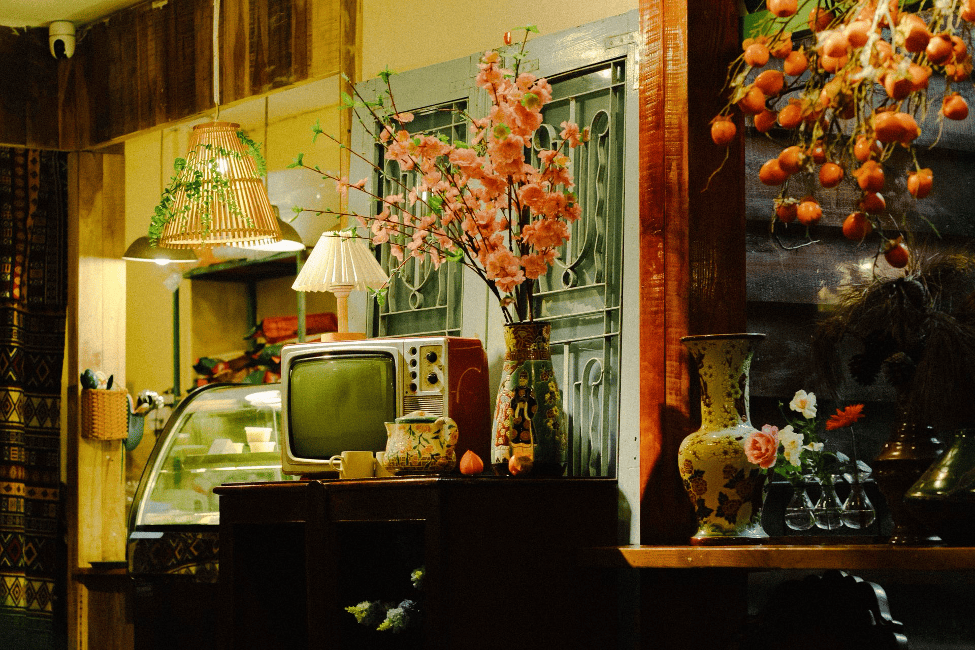
A house provides structure, shelter, and functionality, but a home offers something deeper—comfort, identity, and a sense of belonging. Turning a house into a home is a gradual and intentional process, shaped by personal choices that reflect lifestyle, values, and routines. While the transformation may seem abstract, it is often driven by tangible adjustments to space, design, and daily living habits. By approaching each element with purpose, homeowners can create an environment that feels welcoming, functional, and uniquely their own.
Creating Comfort Through Climate and Atmosphere
Comfort is one of the most immediate factors that distinguishes a house from a home. Temperature, air quality, and overall ambiance influence how people feel in a space on a daily basis. Investing in reliable systems that maintain indoor comfort ensures that the home remains inviting regardless of the season.
For example, maintaining proper heating and cooling is essential for both comfort and health. Regular maintenance and timely upgrades, such as scheduling professional HVAC service in New Jersey, can help ensure that systems operate efficiently and consistently. This attention to climate control creates an environment where residents can relax without disruption.
Beyond temperature, smaller details like lighting and airflow contribute to the atmosphere. Natural light, layered lighting fixtures, and even subtle additions like indoor plants can make spaces feel more vibrant and lived-in. These elements work together to create a sense of ease that supports both productivity and relaxation.
Choosing Furniture That Reflects Lifestyle
Furniture plays a central role in shaping how a space is used and experienced. The right pieces should balance style, comfort, and practicality, while aligning with the needs of the household. Rather than focusing solely on aesthetics, it is important to consider how furniture supports everyday activities.
Sourcing pieces from reputable locations, such as furniture stores in Surfside Beach, SC, allows homeowners to explore options that combine durability with thoughtful design. Whether furnishing a family room, home office, or dining area, selecting items that encourage connection and functionality can significantly enhance the overall feel of the space.
Arrangement also matters. Open, inviting layouts promote interaction, while more structured arrangements can create a sense of order and calm. Personal touches—such as artwork, textiles, and meaningful décor—further reinforce a sense of identity. Over time, these choices transform rooms from generic spaces into areas that feel distinctly personal.
Designing Outdoor Spaces With Purpose
The concept of home often extends beyond the interior. Outdoor spaces provide opportunities for relaxation, recreation, and connection with nature. Even small yards or patios can be transformed into functional extensions of the home with thoughtful design.
Creating an outdoor area that aligns with the needs of the household can significantly enhance daily living. For families with pets, installing durable artificial grass for dogs offers a practical solution that maintains a clean, usable surface year-round. This type of addition reduces maintenance while ensuring that outdoor areas remain accessible and enjoyable.
Outdoor seating, shade structures, and landscaping features further contribute to the usability of the space. Whether used for entertaining guests or enjoying quiet moments, a well-designed outdoor area adds depth to the home environment. These spaces encourage people to spend more time at home while still experiencing a sense of openness.
Establishing Organization and Flow
A home should support daily routines with minimal friction. Organization and layout play a critical role in achieving this balance. Cluttered or poorly designed spaces can create stress, while organized environments promote clarity and efficiency.
Storage solutions, such as built-in shelving, multi-functional furniture, and designated storage areas, help maintain order without sacrificing style. Thoughtful organization allows homeowners to keep essentials accessible while minimizing visual distractions.
Equally important is the flow between spaces. Clear pathways and logical transitions between rooms make it easier to move throughout the home. This sense of flow contributes to a more intuitive and comfortable living experience.
Over time, small adjustments to organization and layout can have a meaningful impact on how the space feels. A well-ordered home supports both productivity and relaxation, reinforcing the sense of stability that defines true comfort.
Personalizing the Space Over Time
Turning a house into a home is not an immediate transformation. It evolves as residents bring in elements that reflect their experiences, preferences, and memories. Personalization adds depth and meaning, making the space feel truly lived-in.
Photographs, travel souvenirs, and heirlooms can serve as visual reminders of significant moments. Even subtle choices, such as color palettes or seasonal décor, contribute to the overall personality of the space. These elements create a narrative that is unique to each household.
Flexibility is also important. As needs and preferences change, the home should be able to adapt. Rearranging furniture, updating décor, or repurposing rooms allows the space to evolve alongside its occupants. This ongoing process ensures that the home continues to meet both practical and emotional needs.
Personalization does not require grand gestures. Consistent, thoughtful additions over time often have the greatest impact. Each choice contributes to a sense of belonging that cannot be replicated by design alone.
Conclusion
Transforming a house into a home involves more than filling a space with furniture or completing a checklist of upgrades. It requires a thoughtful approach to comfort, functionality, and personalization. By focusing on elements such as atmosphere, furniture selection, outdoor design, organization, and meaningful details, homeowners can create an environment that supports both daily life and long-term well-being.
A true home reflects the people who live in it. Through intentional choices and ongoing care, a house can become a place of comfort, connection, and identity—one that evolves naturally over time while continuing to feel grounded and familiar.

