Garden tools are one of those quiet businesses that never really goes out of season. People always have lawns to mow, hedges to trim, and trees to cut. Farmers need sprayers and tillers. Landscaping crews burn through equipment every year. That steady, repeating demand is exactly what makes importing garden and power tools an attractive business to build.
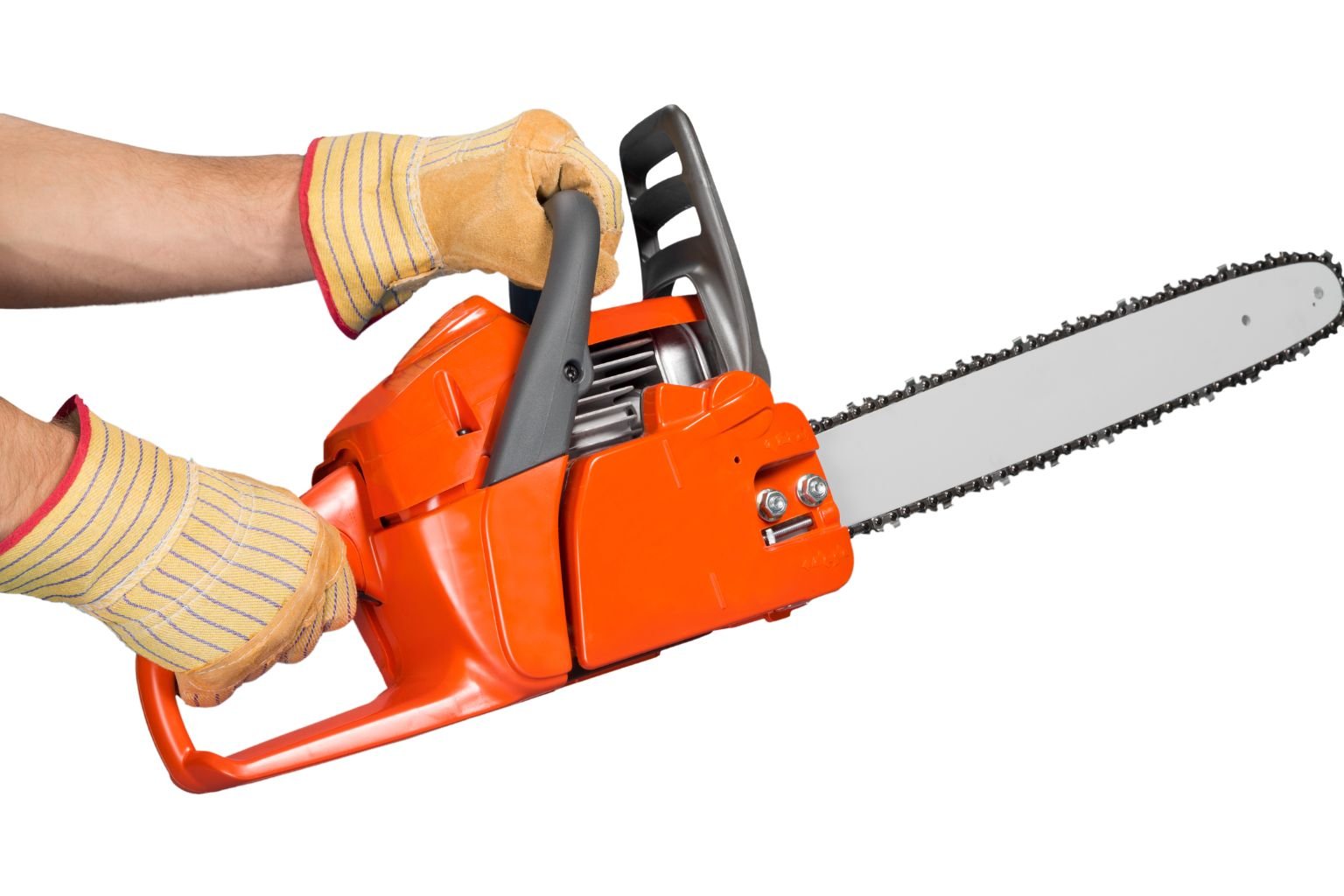
The catch is that the money is made or lost long before the first sale, in how well you source your product. If you plan to bring in chainsaws, finding the right chainsaw factory is the single decision that will shape your costs, your quality, and whether your customers come back. This guide walks through where to start so you do not learn these lessons the expensive way.
Pick your products before you pick a supplier
The first mistake new importers make is trying to sell everything. They see a factory catalog full of chainsaws, brush cutters, trimmers, blowers, sprayers, and generators, and they want to order a little of each. That spreads your money thin and leaves you with stock that moves slowly.
Start narrow. Look at what your local market actually buys and who is already selling it. A region full of small farms will move sprayers, tillers, and brush cutters. A suburban area with lots of homes will want lawn mowers, hedge trimmers, and light chainsaws. Pick two or three products you can sell with confidence, get good at moving them, then expand once you understand your buyers.
Understand who you are really selling to
Your buyer decides everything about how you source. If you sell to hardware retail shops, they care about brand presentation, packaging, and steady restocking. If you sell to professional landscapers or farmers, they care about durability, power, and how easy it is to get spare parts when something breaks.
Knowing this early saves you from ordering the wrong thing. A homeowner is fine with a light, easy start chainsaw. A logging crew will destroy that same machine in a week. Match the product to the buyer, and the rest of your sourcing decisions get a lot clearer.
Find the factory, not the trader
Once you know what you want, you have to decide where to buy it. There are two roads. You can go through a trading company, which is easy and quick but takes a cut and keeps you at arm’s length from the people who actually make the product. Or you can go direct to the factory, which takes more effort but pays off in three ways:
- You pay the real production price instead of a markup
- You can talk to the engineers and adjust specs or packaging
- You see how the product is built and tested before you commit
For a business you want to grow, going direct almost always wins. The savings compound on every order, and the relationship gives you control that traders simply cannot offer.
Vet the factory properly
A clean website and nice product photos prove nothing about whether a factory can deliver 3,000 reliable units. You have to dig.
Ask how many years they have been making the exact tools you want. A factory that has produced chainsaws for two decades has already solved the engine and durability problems that a new shop is still discovering. Ask about their yearly output, because a small workshop will choke the moment your orders scale up.
Then check certifications. Standards like CE, EPA, and EURO are not decoration. They decide whether your shipment clears customs and whether you can legally sell in your market. Ask to see the actual documents, not a line in a brochure. If you can arrange a factory visit or a video walkthrough, take it. You want to see organized lines, real testing stations, and staff who clearly know their machines.
Always test samples first
Never place a big order on trust. Order samples and put them through real use. Start the engine cold, run it under load for an hour, check the cut quality, the vibration, and how simple it is to service. Hand the units to a few different people, because what feels fine to you might frustrate someone using the tool all day.
Write down every flaw and send it back to the factory. How they respond tells you everything. A supplier who fixes problems on a sample order is one who will keep fixing them later. One who makes excuses now will make more excuses when you have money on the line.
Plan for spare parts and warranty
This is where plenty of importers get burned. A chainsaw is not a one and done sale. Chains stretch, bars wear, carburetors clog. If you cannot get a steady flow of spare parts from your supplier, your customers are stranded and your name takes the hit.
Before you commit, ask what parts are kept in stock, how fast they ship, and what the warranty covers. A one year warranty on the machine with six months on core parts is a reasonable baseline. Get it in writing. A factory that talks openly about parts and warranty is one that is planning for a long relationship, not just your first order.
Start small, then scale
You do not need a shipping container on day one. Begin with a modest order, prove the product sells, and learn how your buyers behave. Keep your communication with the factory steady and honest. As your volume grows, good suppliers reward loyal partners with better pricing, priority production, and support like private labeling or marketing materials.
The bottom line
A garden tools import business rewards patience and homework far more than speed. Choose a focused product range, know exactly who you are selling to, buy direct from a proven factory, test before you commit, and never ignore spare parts and warranty. Do those things and you turn a risky import gamble into a steady business that earns money season after season.