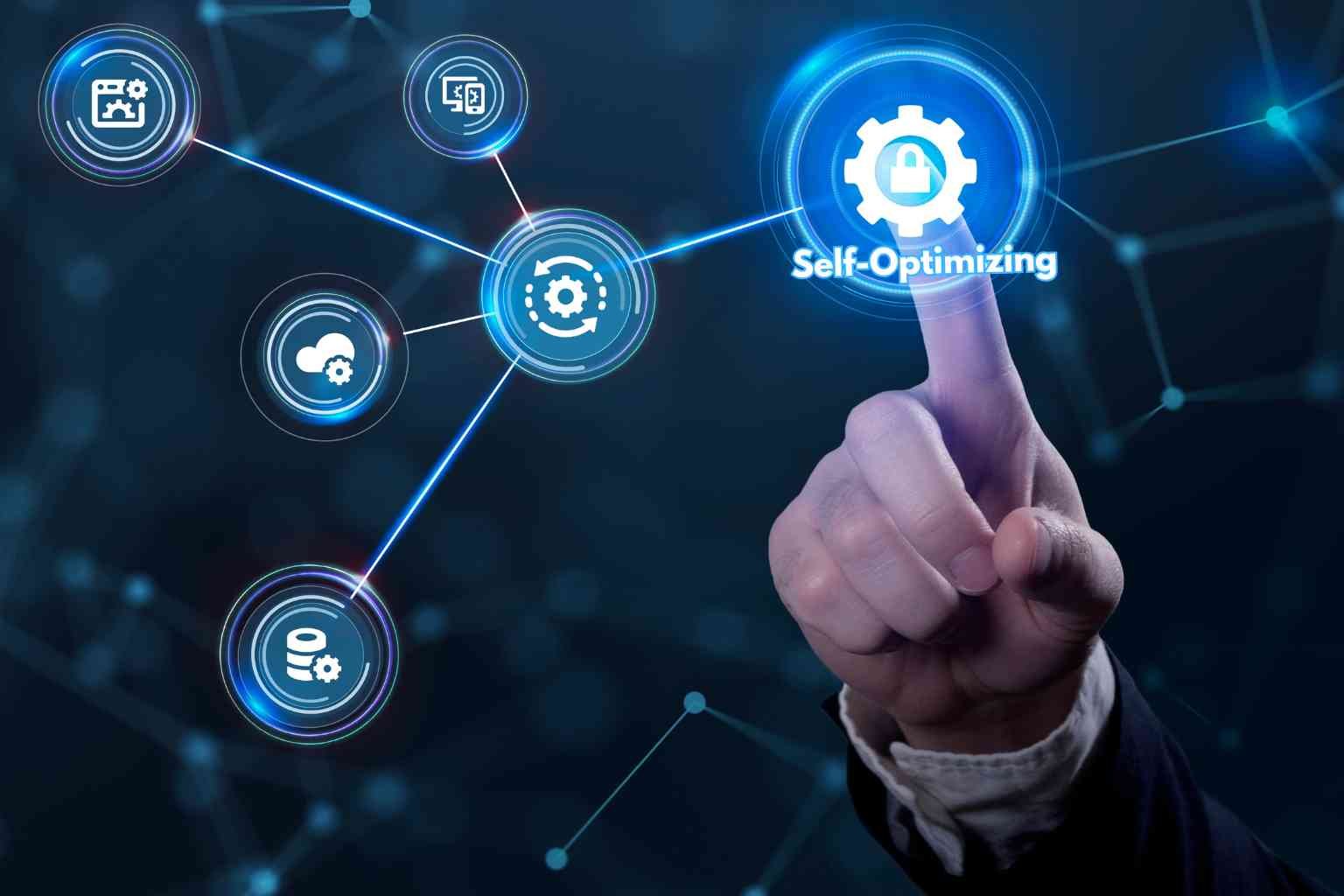
Technology is no longer static. With modern systems automatically trainable. Pretending that artificial intelligence & real-time aggregate data should be able to resolve for who our best service types or bet combinations are, and when they might happen, is super cool — but it really doesn’t have a whole lot of magical impact on whether the game should be 1-0 ourselves.
Instead of relying on manual updates or diagnoses, they can learn and their behavior grows better with time. This revolution is transforming industries and increasing efficiency, performance and lower costs.
1. What Are Self-Optimizing Systems
Those systems that learn from data-driven analysis to adjust their behavior and structure are called self-organizing. They observe trends, see patterns and take action without being told.
This constant feedback loop is what keeps them flexible and malleable.
2. What makes them different from traditional automation
Traditional automation works by following rules and pre-defined methods. The next step beyond that is self-optimizing systems: you learn and adapt based on what worked, and didn’t work. They can practice with past results and improve.
Adaptability is the key difference.
3. The AI and ML use case applications
With AI we can optimise by munching operational data. Machine learning algorithms detect trends, predict bottlenecks and make recommendations.
The systems get better improvement over time.
4. Applications in Cloud Computing
Cloud-based systems utilize adaptative functions that tune themselves for making best use of computer resources. Schedules can expand at peak hours, and contract as traffic eases.
This form of dynamic allocation is cheap to implement and efficient.
5. Impact on Manufacturing and Industry
In the factory, sensor-enabled machines can feel when they are rubbing and shift the way they behave to avoid wear that would cause them to break down. This “prediction maintenance” reduces downtime and increases efficiency.
Factories grow smarter and stronger.
6. Key Benefits of Self-Optimizing Systems
Self-optimizing technologies offer several advantages:
- Improved efficiency
- Reduced operational costs
- Real-time performance tuning
- Faster issue resolution
- Enhanced system reliability
These benefits drive widespread adoption.
7. Energy Management and Sustainability
Fully automated: the systems also log in how much power is being used and adjust users’ patterns as required. “Smart grids and smart buildings will enable more efficient heating, cooling and lighting that can follow occupancy and demand.”
Energy efficiency becomes automated.
8. Challenges in Implementation
Despite advantages, challenges remain:
- Complex algorithm development
- Data accuracy requirements
- Security vulnerabilities
- Integration with legacy systems
- Transparency in decision-making
Design and monitoring should be thoughtfully approached.
9. Human Oversight and Governance
Even self-optimizing systems require supervision. Humans define boundaries, evaluate outcomes and impose moral limits. The automation helps with operating, he says, but does not relieve responsibility.
Collaboration strengthens reliability.
10. The Future of Adaptive Technology
More processing power, and access to better AI models will make self-optimizing systems more autonomous. The next generations of networks and vehicles and health-care systems and financial services will all react dynamically to changing conditions.
“It is very much an industry that has gone from reacting [technologically] to becoming proactive and predictive. The concept of self-improvement is hamstringing the future digital cosmos.
Key Takeaways
- AI is used by self-optimizing systems to monitor and improve performance 24×7
- They bring efficiency, reduce costs and help sustain the natural world
- Adaptive automation still has its own barriers to overcome, but it seems to be the way that technology is going
FAQs:
Q1. What is a self-optimizing system?
It’s one that ingests data and begins to improve itself autonomously.
Q2. How is that not like automation?
Automation follows pre-existing rules; self-optimized systems teach and change themselves.
Q3. Where are self-optimizing systems used?
In the cloud computing, manufacturing, energy management and digital platforms.
Q4. Are these systems fully autonomous?
They can operate on their own, but humans still have to watch.
Q5. Why are self-optimizing systems important?
They are lean, mean machines that trim down and smarten up quickly.