Affordable homes have emerged as a new asset class in India’s real estate sector. The demand for affordable housing shot up with urbanization, influx of population and people’s aspirations to own homes. For first-home buyers, affordale housing provide a pragmatic stepping stone into the property market without burdening them with substantial financial stress.
Decoding the Meaning of Affordable Housing in India
In the context of India, affordable housing includes homes that fall within a price range that is reasonable for middle and lower income groups. They tend to be smaller and found in frontier or emerging regions of cities. The government has also defined the criteria of affordable housing based on carpet area and value of property to make sure that it reaches only real buyers. projects of affordable houses concentrate on basic comfort, safety and basic amenities rather than luxury features. The aim is to make decent housing affordable for families without consigning them to long-term financial stress. This definition provides clarity for first-time buyers and leads to structured housing opportunities.
How Sort of Affordable Housing Is Spreading So Fast
There are factors that are contributing to the rise in affordable housing in India. Fast-paced urban migration has led to a surge in housing need in cities, where booming property prices have made traditional homes out of reach for many. Affordable housing fills this gap with cheap options. Development of infrastructure, government programmes and better connectivity to city centres have made developers come forward for this segment. Further, banks and housing finance companies are pushing affordable housing through easier loan availability. This symbiosis of interests has helped to turn affordable housing into one of the fastest-growing real estate sectors in the country.
Key Benefits For First-Time Homebuyers
First-time buyers can benefit in many ways from affordable housing. The primary advantage is the less expensive purchase price, which puts less financial strain and enables home ownership at a younger age.
Other key benefits include:
- Lower down payment requirements
- Easier home loan eligibility
- Less of a financial gamble than high-value properties
For the first-time home buyer, buying an affordable home offers a mechanism to incrementally build wealth and stability and security. Homeownership also insures buyers against increases in the cost of rents in urban markets.
Government Support And Policy Incentives
In India, affordable housing is highly encouraged by government policies. There have been several schemes and incentives implemented to aid buyers as well as developers. Interest subventions, tax incentivisation and priority sector lending etc., have helped in decreasing the affordability of home loans. Developers also get sweeteners like quicker approvals and tax relief to motivate them to build yet more affordable homes.
Location Choices And Infrastructure Development
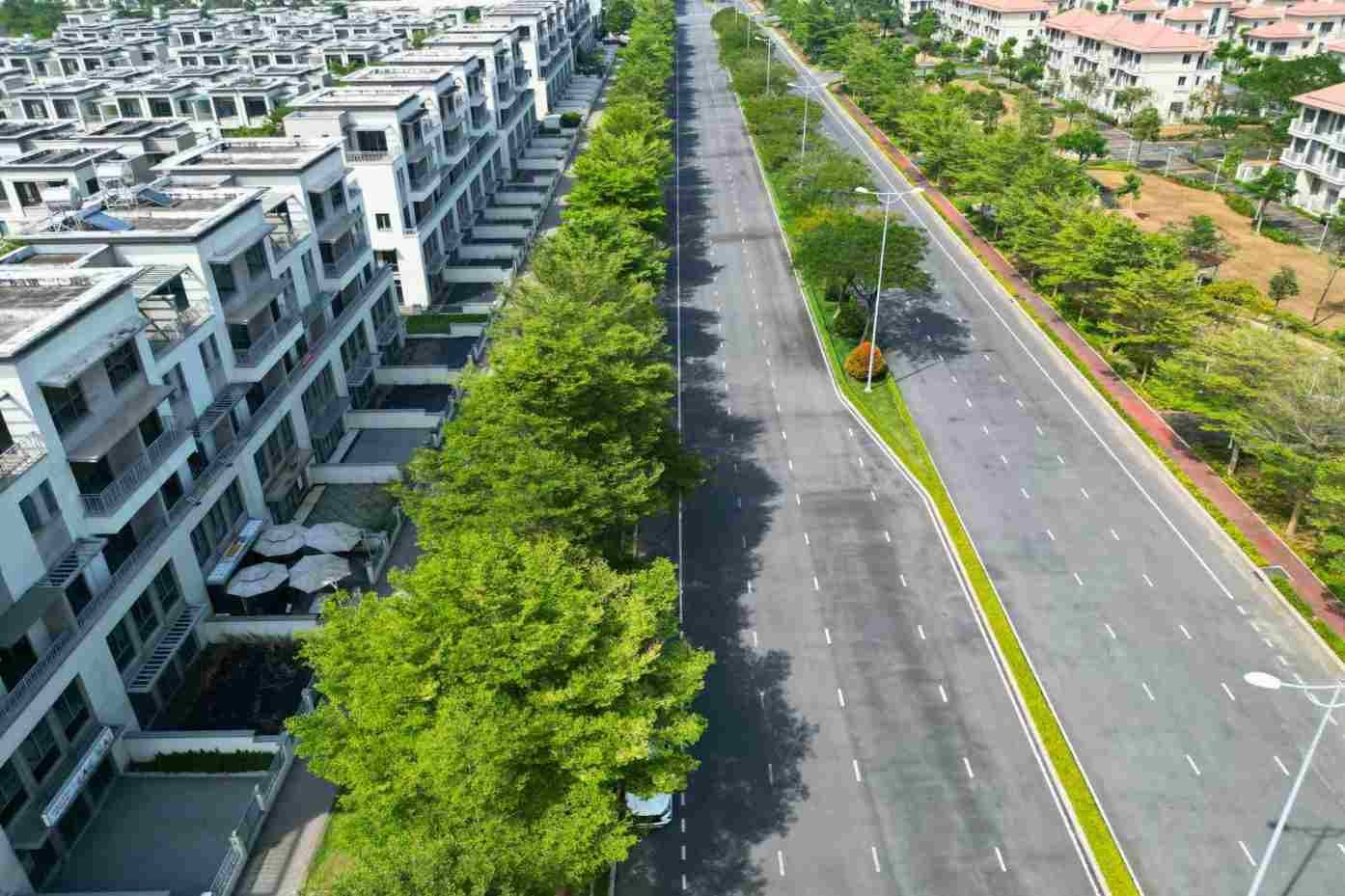
You don’t expect affordable housing projects to be plunked down in choice city locations. Though it might appear to be a disadvantage, it frequently becomes an advantage in the long run. Better roads, Metro links and public transport are making city-frontiers spread. Places that were once outside the city are now rapidly transforming into well-connected housing estates. Those who get in early on such areas typically enjoy future appreciation as these places develop. It is all about the future price appreciation and by choosing a site with development coming, you are positioning yourself for long-term value.
Financial Planning And Home Loan Tips
Financial planning is a necessity for new buyers buying affordable home. As prices come down, buyers should still weigh long-term loan commitments and monthly expenses carefully.
It is important to consider:
- Monthly loan EMI affordability
- Interest rate options and tenure
- Other fees, like registration and upkeep
Affordable housing is most effective when buyers purchase a home they can comfortably afford, rather than biting off more housing than their personal budgets can chew.
Risks And Challenges To Be Aware Of
Affordable housing presents a number of opportunities, but there are challenges for buyers to consider as well. Some developments will experience delays, limited facilities and location issues. The credibility of the developer, clearances and completion schedule should be checked by first time buyers. It’s also worth knowing the future infrastructure plans and resale potential. Buyers who are informed and alert often have a leg up to avoid costly mistakes, make savvy investments.
Conclusion
Affordable housing in India is a compelling investment opportunity for first home buyers to participate in the real estate market with a reasonable risk/cost. Developing infrastructure, government backing and developer interest are making ‘affordable homes’ a feasible option. But buyers need to be thoughtful about finances and location in selecting these properties, noting that investing in housing at the right price also provides long-term stability and ownership security with potential appreciation. For first-time home buyers, it is still one of the wisest ways to realize the dream of owning a home.
FAQs:
Q1. Who can buy affordable housing in India?
Affordable housing is typically targeted toward middle-income and lower-income groups, including first-time homeowners.
Q2. Is Investing in Affordable Housing Projects A Solid Decision?
Yes, they provide stable returns and long-term appreciation in desirable locations.
Q3. Is It Easy For Banks To The Sanction The Loan of Affordable Housing?
Yes, Bank do seem to provide home loans with attractive interest rates and offers.
Q4. Is it true that affordable homes are smaller?
Yes, they may also come with a lower carpet area but suffice for basic living.
Q5. First-Time Buyer Tips: What to Verify Before You Buy?
Buyers should check on the legal approvals, developer’s background, location growth and affordability of loan.